CopyrightExpertWitnesses

Scott Steinberg · Consultant, Analyst and Business Strategist

Copyright Expert Witness Services: Reports and Testimony

Copyright disputes turn on questions courts rarely find in the four corners of a licence: what the parties in a market understood a grant to cover, what a work was worth when it was used, and what industry practice treated as permitted at the time. A consultant to 3000+ brands, Scott Steinberg has spent over 25 years with the businesses that create, license and distribute copyrighted work.

Expert reports, declarations, deposition and trial testimony on infringement analysis, licensing scope, industry custom, content valuation, and more.

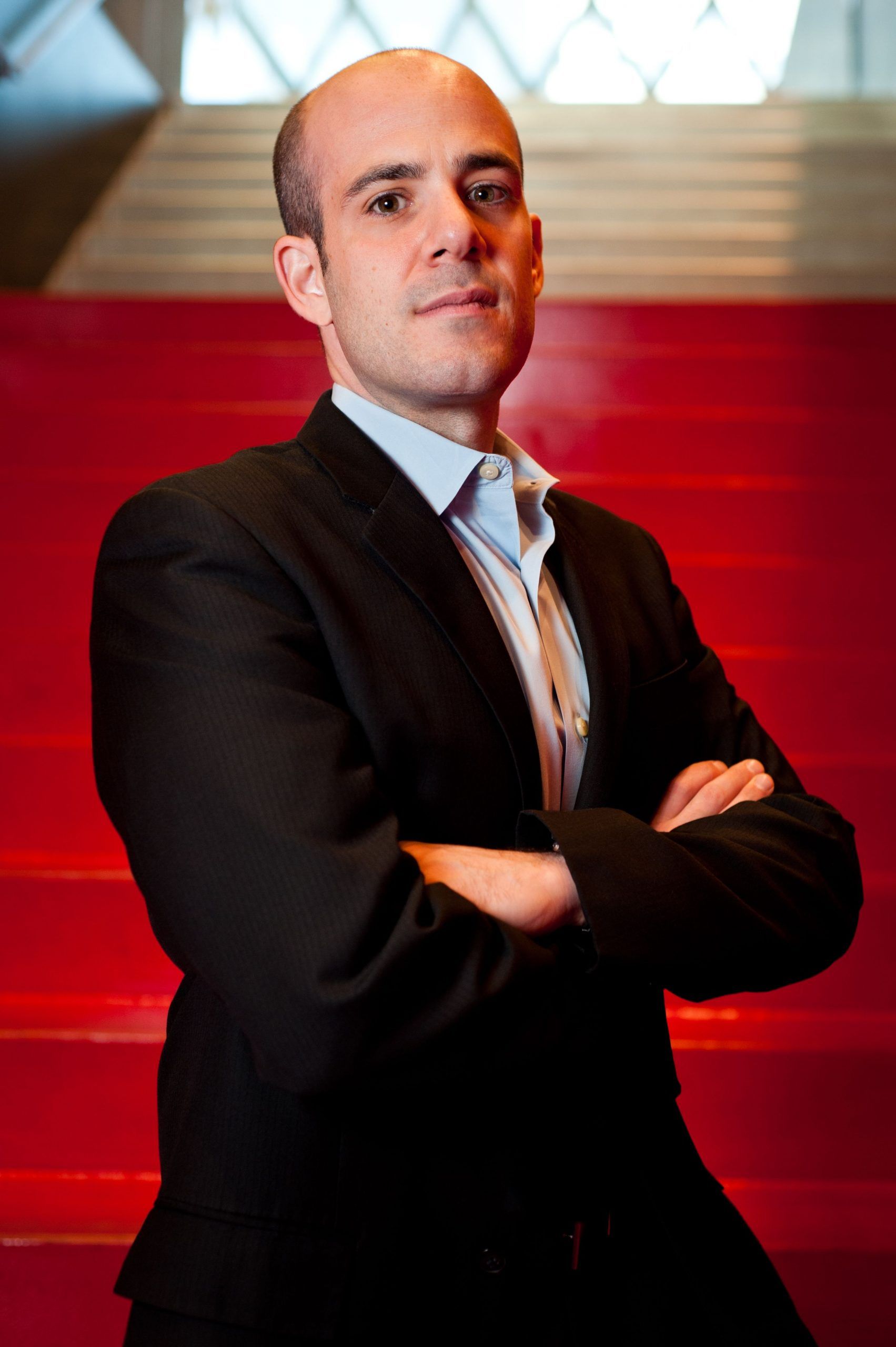
Scott Steinberg, copyright expert witness and business strategist
Scott Steinberg — copyright expert witness, IP analyst and business strategist
3,000+
Businesses, startups, governments and Fortune 500 companies advised
25 years
Management, IP portfolio strategy work and strategic consulting experience
30+
Books published on technology, marketing, business and innovation
5,000+
Published articles as seen in USA Today, CNN, ABC, NBC, TODAY Show

Copyright expert witness practice areas

Copyright matters divide roughly into three questions: whether the use occurred, whether it was authorized, and what it was worth. The areas below describe the evidence each of those typically rests on.

Infringement and substantial similarity

Infringement analysis asks whether the accused work took protected expression rather than unprotectable idea, method or convention. In commercial markets that line is often drawn by what practitioners in the field treat as stock: a layout convention, a genre structure, a functional arrangement everyone uses.

Testimony here establishes what was common currency in the relevant industry at the relevant time, so the comparison in front of the court separates genuine copying from shared professional vocabulary.

Licensing scope and interpretation

Most licensing disputes are not about whether a grant existed but about how far it reached. Territory, term, medium, field of use and sublicensing rights were negotiated against a set of market assumptions that the document itself often leaves unstated.

This is where an industry witness matters. What did a grant of print rights customarily cover before digital distribution existed? What did the market understand by broad or exclusive at the time of signing? Those questions have factual answers drawn from practice.

Digital content and online distribution

Content moving through digital channels raises questions about scraping and republication, aggregation and syndication, embedding and framing, and notice-and-takedown practice. Chronology matters enormously and is frequently reconstructible from platform records.

Work in this area often involves establishing publication sequence across multiple platforms, identifying where a work first appeared, and assessing whether the distribution model at issue was standard practice in that channel.

Publishing and editorial practice

Publishing disputes involve author and publisher agreements, reversion and out-of-print clauses, ghostwriting and collaboration credit, royalty accounting, and the customary division of rights between print, audio, foreign and subsidiary channels.

Testimony addresses what the industry treated as standard terms in a given period, and how a particular deal compared to the norm for its category and the author's standing at the time.

Work made for hire and ownership

Ownership disputes arise from contractor versus employee arrangements, agency and client work, collaborative creation without written terms, and commissioned projects where the parties assumed different defaults.

The commercial question is usually what both sides expected to own given how the engagement was structured, priced and described, and whether that expectation matched the market convention for that kind of work.

Derivative works and adaptation

Adaptation questions cross formats constantly: a property becomes a game, a series, a merchandise line, a software product. Each transition raises whether the underlying grant reached that far and what the market treated as a distinct right.

Testimony addresses how rights were customarily carved and priced across formats, and what a licensee in that market would reasonably have understood itself to have acquired.

Content valuation and damages

Establishing what a work was worth requires comparable licence evidence, an understanding of how that category of content is customarily priced, and a defensible account of the revenue the use generated or displaced.

This work sits alongside a damages expert rather than replacing one. The industry witness supplies the market facts and comparables; the damages expert builds the calculation on top of them.

Industry custom and standard practice

Many copyright disputes reduce to whether conduct was normal in its market. Attribution conventions, clearance practices, permission norms and what a category treated as acceptable reuse all vary by industry and change over time.

Establishing the convention as it stood in a specific year is often the single most useful contribution an industry expert makes, because it converts an argument about reasonableness into a question of fact.

How engagements are structured

Copyright matters benefit from early involvement because licence chronology and publication history take time to assemble.

Expert reports and declarations

Written opinions on licensing scope, industry custom, publication chronology and content valuation.

Deposition and trial testimony

Testimony on how the relevant creative market operates and what its participants understood a grant to cover.

Rebuttal and methodology review

Responsive analysis of an opposing expert's comparables, valuation assumptions and reading of trade practice.

Consulting-only support

Non-testifying review of licence documentation, chain of title and discovery scoping for content records.

Biography

Scott Steinberg is an analyst, consultant and business trends expert with over 25 years of experience providing management and strategic consulting services to more than 3,000 businesses and brands ranging from startups to government agencies and Fortune 500 firms.

He has testified in sample areas including intellectual property — copyrights, trademarks and patents — patent infringement, marketing, branding, video games, mobile applications, consumer product development, and the growth and monetization of online distribution platforms.

He is the author of over 30 books and has published more than five thousand articles addressing areas including but not limited to marketing, technology, leadership, innovation, advertising, digital transformation, data privacy and social networks. He appears regularly on ABC, CBS, CNN and NBC, and has led seminars and training programs for organizations including Wells Fargo, the PGA Tour, Century 21, Ford, Dell and Procter & Gamble.

His consulting work has been broadly recognized. He has served as a thought leader for the American Bar Association and Corporate Counsel magazine, and has received honors from the International Association for Scholastic Excellence, Fortune, and the 21st Century Icon Awards, among others.
Common questions from counsel

What is a copyright expert witness?

A copyright expert witness is a testifying consultant who supplies the factual and commercial context a copyright case rests on: what a licence was understood to cover in its market, what practice in the relevant industry treated as permitted, how a work of that type is customarily valued, and how the accused use compares to the norm. Output is a written report, then deposition, and testimony at trial where a matter gets that far.

Does a copyright expert give an opinion on infringement?

Not on the legal conclusion. An expert addresses the factual predicates: whether particular elements are industry convention rather than original expression, whether a grant customarily extended to the use at issue, and what comparable licences in that market look like. Whether those facts amount to infringement is for the court.

What evidence does a copyright expert typically work from?

Licence agreements and their negotiation history, comparable deals in the same market, publication and distribution records, platform and analytics data where the work moved online, royalty statements, and the trade practice of the period. In digital matters, chronology reconstructed from platform records is often decisive.

Can an expert be retained without testifying?

Yes. Consulting-only engagements cover case assessment, technical and commercial background for counsel, review of licence documentation, deposition question preparation and evaluation of an opposing expert's methodology, without a disclosed report or testimony.

How does a copyright expert differ from a damages expert?

They answer different questions and frequently appear together. A damages expert builds the calculation. A copyright and industry expert supplies what the calculation stands on: the comparable licences, the customary pricing for that category of work, and the market facts about how the content was distributed and monetised.

Discuss a matter

Initial conversations about scope, timing and conflicts are without charge. Helpful detail includes the works at issue, the licence chain if there is one, and any expert disclosure deadline already set.

Telephone
Availability
Engagements accepted nationwide and internationally

Before you send case detail

A conflicts check is run before any substantive discussion. An initial note listing the party names and a one-line description of the dispute is enough to start; please hold privileged or confidential material until the check clears.